Guide list

Anchovies are in season in the Bay Area from April through October. At this Fillmore District wine bar, they’re justly celebrated year-round. Try them fresh on toast or sizzled in purgatory (or as a Spanish-accented cocktail garnish), alongside oysters and surprising small plates of local seafood. Favorites include the Western Addition oysters, lemon miso clams and smoked cod roe.

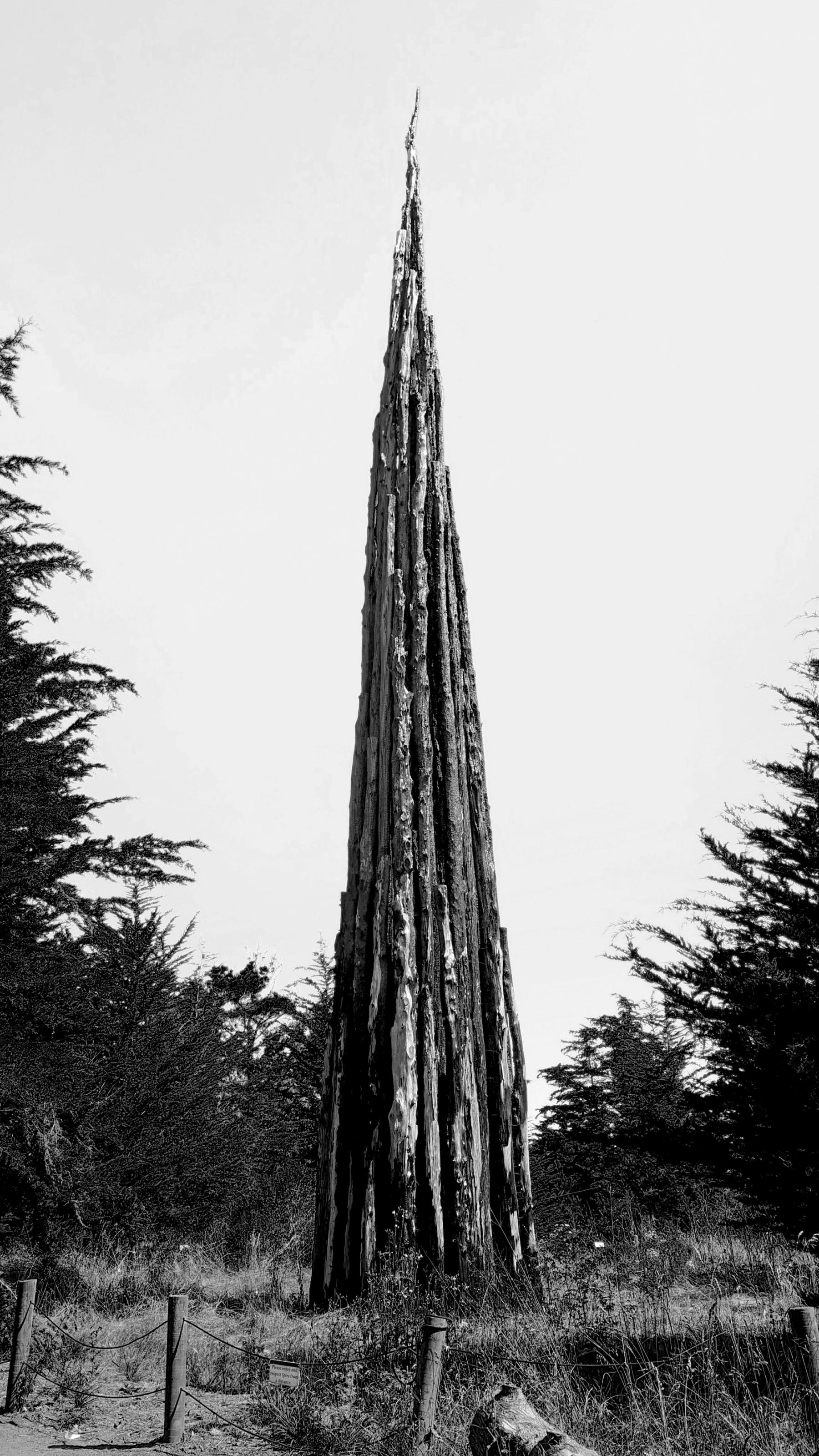
An artwork by Andy Goldsworthy, Spire, in situ.

The artist created four works in the 1,500-acre national park next to the Golden Gate Bridge. Spire, Wood Line, Earth Wall and Tree Fall (currently closed) can be enjoyed individually, or via a 3-mile trail loop. (If short on time, visit Spire, followed by Wood Line.)

Audium is a ‘theater of sound’: one large room filled with concentric circles of chairs, 176 speakers, and total darkness. Each performance is an immersive auditory experience that unfolds over time and through the space of the room, with sound coming and going in all directions and low tones vibrating up through the floor. Founded by composer Stan Shaff and sound engineer Doug McEachern, Audium remained a project of their singular artistic vision for over half a century. Now the space is run by Stan’s son Dave, who has expanded the programming to include new voices and an artists’ residency program. Catch a program if you can; it’s an experience unlike any other.

The city’s best chefs can often be found at this culinary flagship, which, in addition to carrying an exceptional selection of Japanese and other knives (including vintage), also offers the finest essentials for every kitchen. Their capsule store in the Ferry Building has a giftable edit.

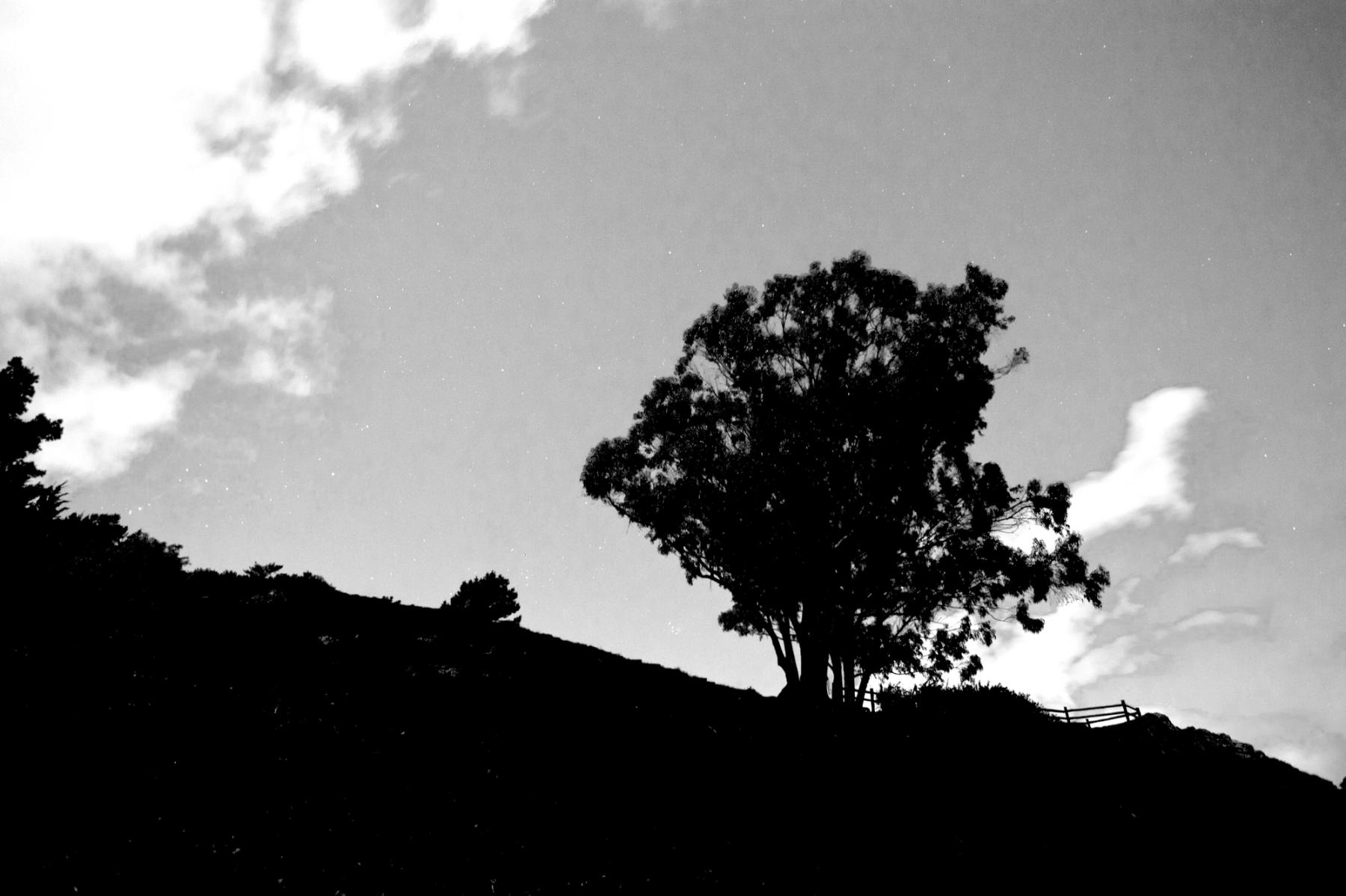
Photo of Billy Goat Hill with trees in silhouette and clouds

San Francisco can only be understood through its hills. When I lived nearby, I spent a lot of time atop this hill, enjoying IRL aerial imagery as a break from my work on satellite image collages.

The curatorial teams at the Wattis Institute have been arguably the most creative in the city for almost 30 years. Through thoughtful and ambitious programming, they have introduced some of the most important international artistic voices to the Bay Area. Few spaces in San Francisco, or anywhere, have so consistently given experimental and conceptual practices such support and room to breathe.

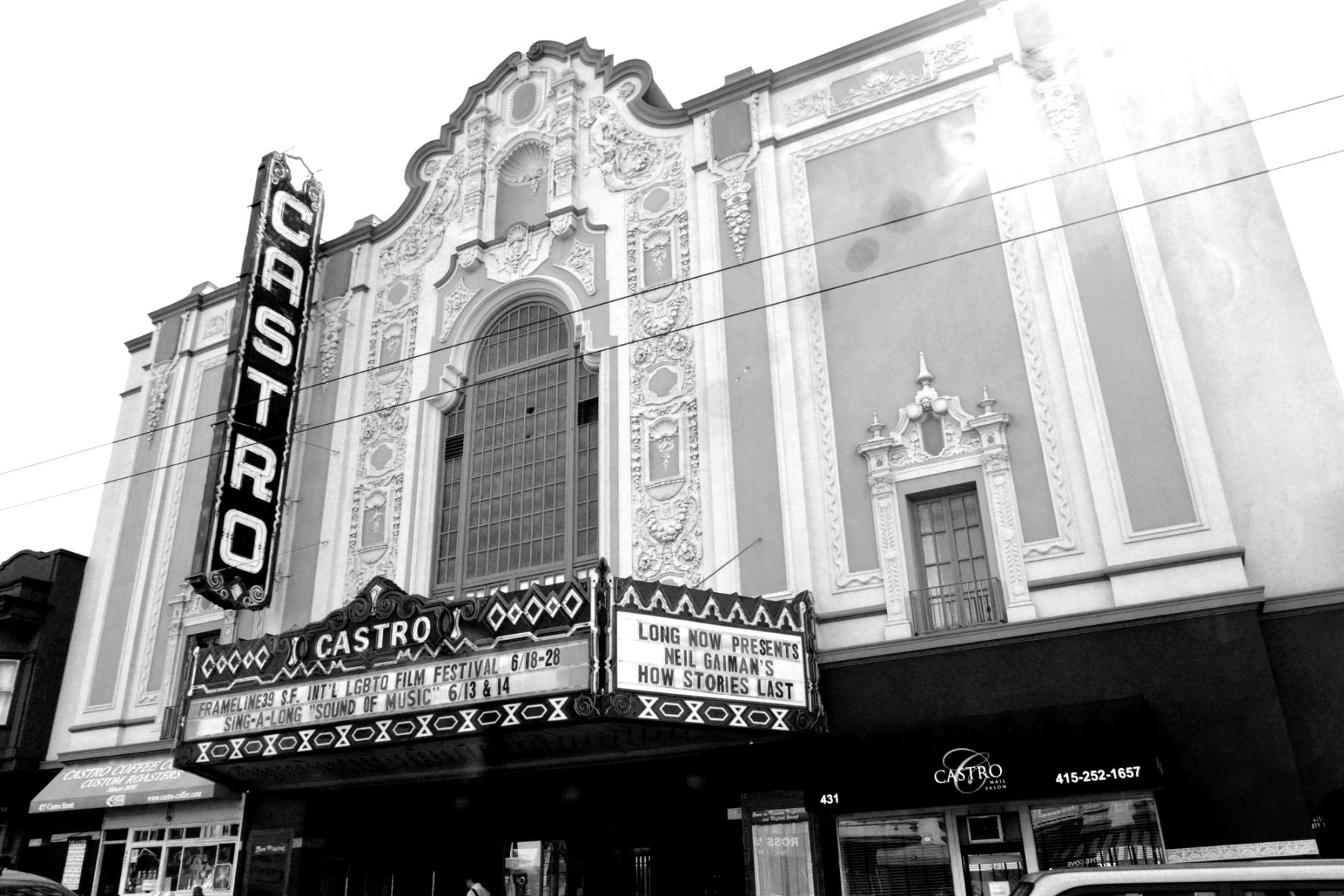
Facade of the Castro

The elaborate interiors of this iconic Art Deco theater were recently restored, while the equipment was updated for 21st-century indie concerts and films. The Castro has had a special place in the city’s queer community for over 50 years: its screenings of gay cinema served as a refuge during the AIDS crisis, and it is home to both the Frameline queer film festival and the San Francisco Gay Men’s Chorus holiday concert.

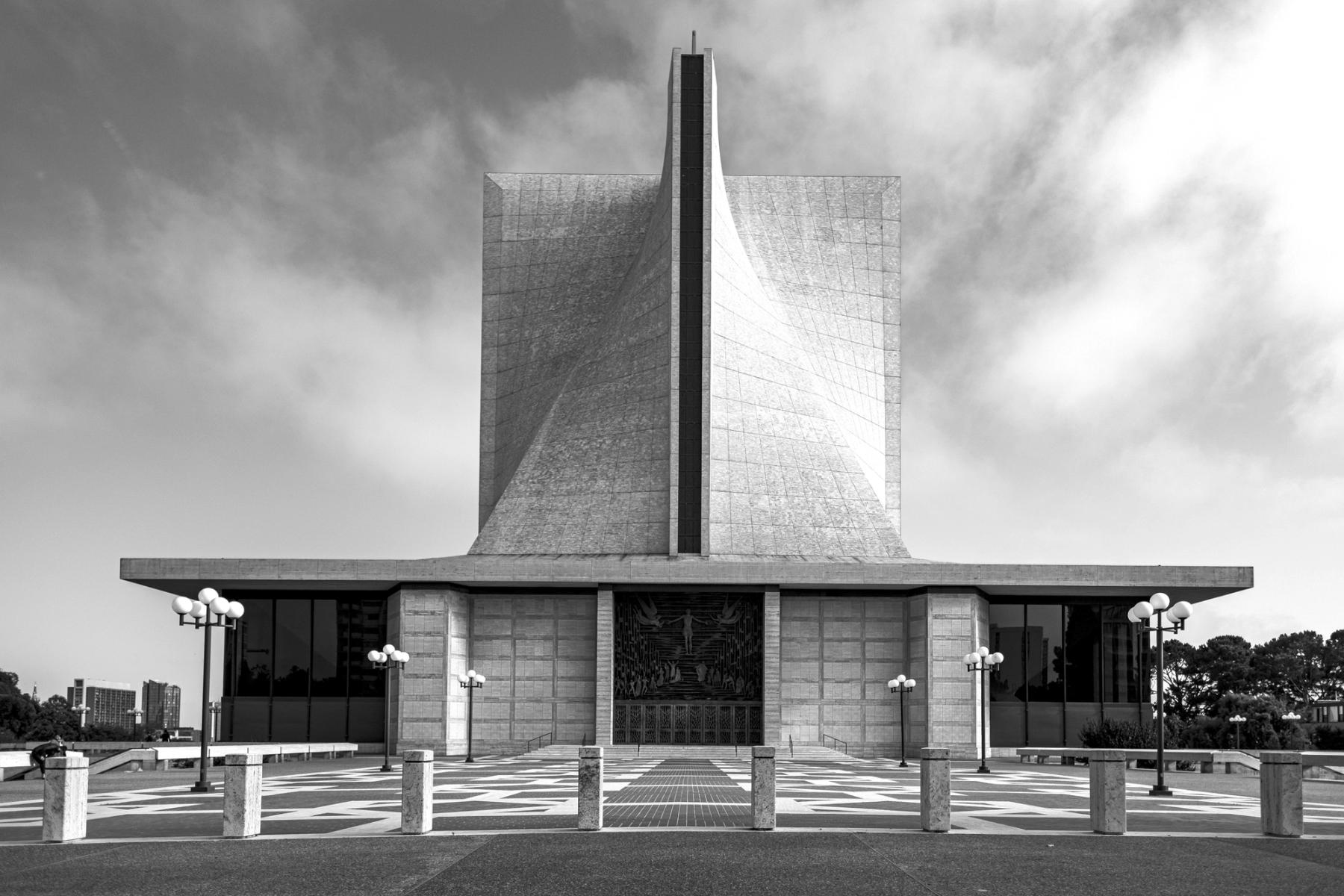
Front entrance view of the Cathedral

St. Mary’s. It makes a statement on the skyline. We always made fun of it, the soaring and hideous washing-machine agitator. That was before I grew up and understood myself and the world, before I knew that modernism and Catholicism go together like peanut butter and chocolate. They really do get along famously. Step inside St. Mary’s and you’ll understand. You’re entering a tradition, taken up by Philip Johnson at the Chapel of St. Basil in Houston, and the Church of Notre Dame de France in London. Postwar religious modernism is just about the chicest thing ever. If the version in London includes murals by Jean Cocteau, St. Mary’s in SF has an organ custom built by Fratelli Ruffatti in 1971 that is considered one of the finest in the world. Concerts are typically free.

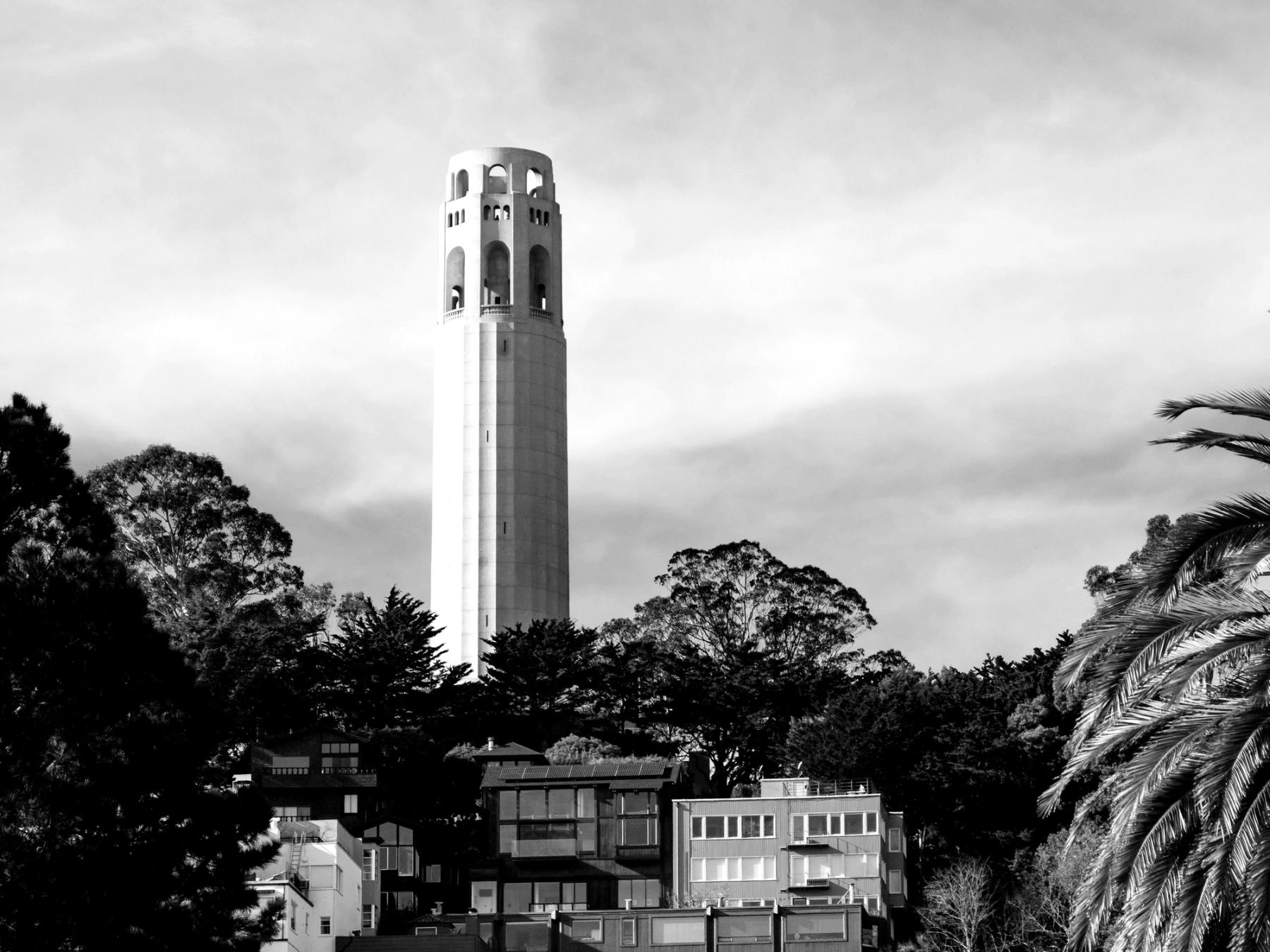
Coit Tower on Telegraph Hill, towering over and surrounded by trees and buildings

Sashay up to the top of Telegraph Hill, keeping your eye on Coit Tower, which was constructed in 1933. Upon arrival, you will have a 360-degree view of the Bay Area, including a view of the former SFAI, now CASA, along the Northeastern slope of Russian Hill. Inside Coit Tower, you can explore one of the first New Deal art projects: a set of true fresco murals, done by some of the best Bay Area artists, depicting California agriculture, maritime and landscape scenes, along with murals of San Francisco city life. As a bonus, there is an elevator to the top for an even better view.

Creative Growth Art Center is one of my favorite spots on earth. Based in Oakland, it is the world’s first independent art center dedicated to advancing the careers of artists with developmental disabilities. The word “disability” is often defined as “working with less,” but when I see the art produced at Creative Growth, I see it as filled with more: more freedom, more imagination and, most of all, more truth. These artists have no agenda or knowledge of art history or trends, but joyfully express their view of the world. This magical place changed my notion of art forever.

One day, I was strolling though Presidio Park and happened upon Dalida. I had never heard of it. I walked in not sure what to expect, and it immediately felt so convivial, accommodating in different ways, with seats at the bar. I had a wonderful meal, an impeccable rack of lamb. Everybody was so sweet!

This bean-to-bar chocolate maker has multiple locations in the city offering their award-winning chocolates and pastries (including in the Ferry Building). But the factory HQ also hosts classes, tours and the chocolate salon Bloom, where you can pair freshly baked chocolate delicacies with wine, beer and tea.

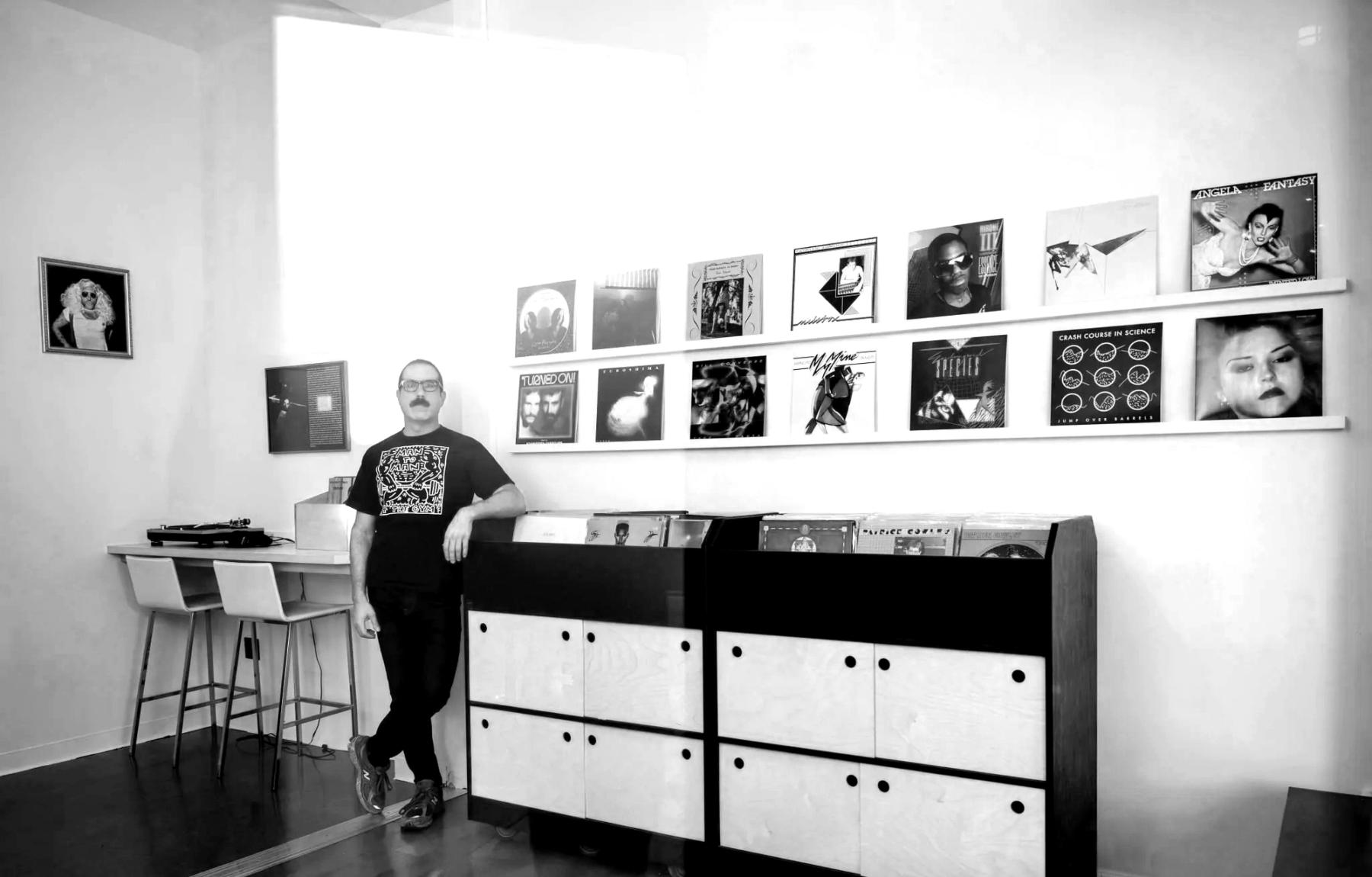
Interior of Dark Entries Records with proprietor and records on shelves and hung on the wall

An amazing record shop, community hub and indie record label run by Josh Cheon. Impeccable curation of left-field and obscure electronic and underground dance music, to post-punk, ambient and experimental.

Since 1978, El Rio has been riding rough and still manages to maintain the fun-as-hell dirtbag energy I remember so fondly. I played in bands there in the 1990s and early 2000s—sometimes in the muggy, narrow club room, sometimes in the day on the patio, grungy summer fun stink lines wafting through the crowds. $5 tickets, $2 beers, incredible jukebox, pool, shuffleboard and a mixed bag of queers, weirdos, punks and everyone in between. Their programming remains staunchly freaky and fun. Long live El Rio!!!

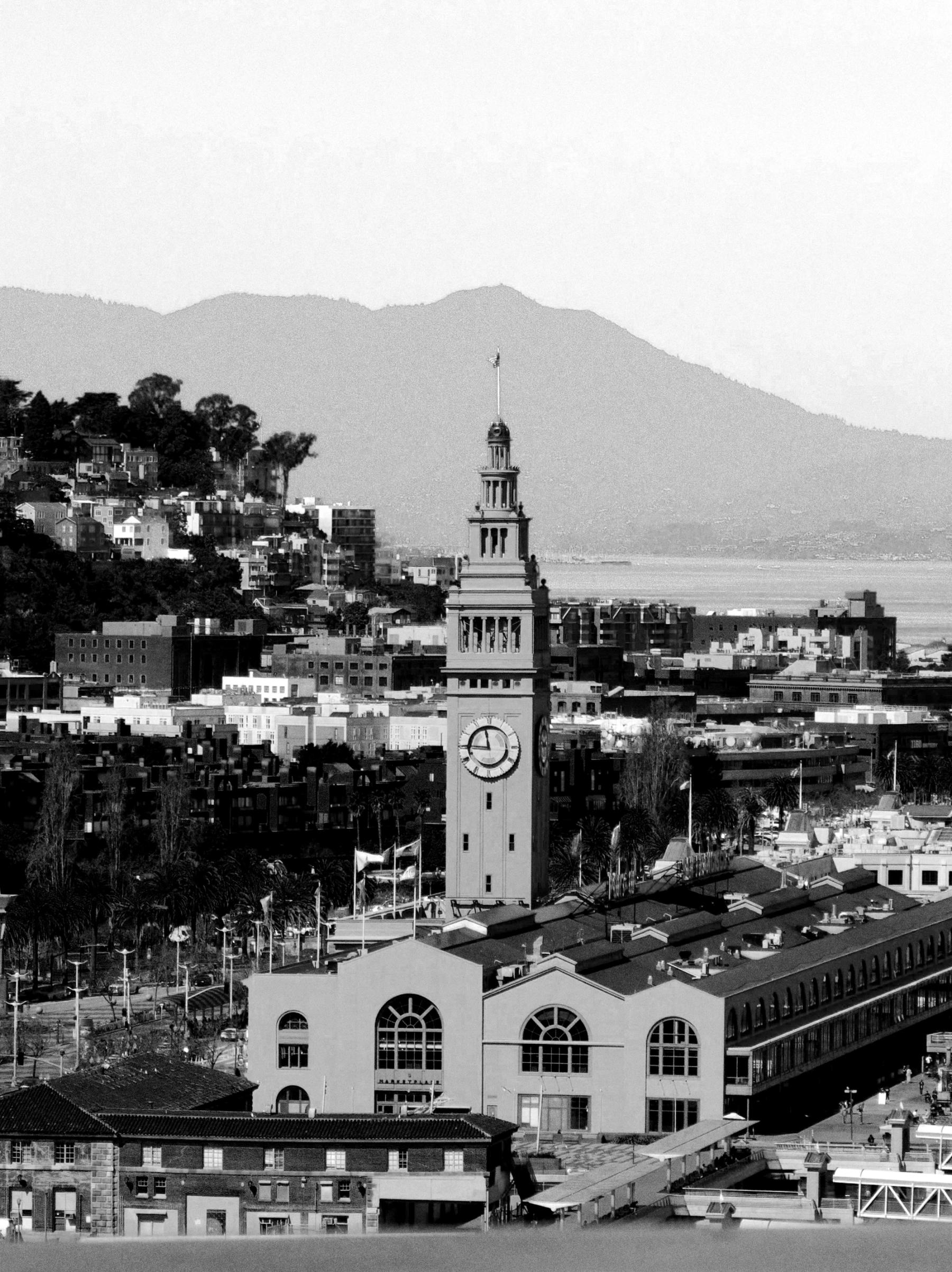
View of the Ferry Building's clock tower

However touristy, this remains the city’s culinary center, home to restaurants, shops and a vital Saturday farmer’s market. Arrive before 9:30 on Saturdays, when the lines outdoors for everything from Signal Coffee to tomatoes at Dirty Girl and stone fruit at Frog Hollow stretch long. Indoors, find gifts at Heath Ceramics, Bernal Cutlery and Dandelion Chocolate, and finish with a meal at Hog Island Oyster Co. or Lunette Cambodia—or a pastry from Parachute.

As spaces for art have homogenized in recent years, the David Ireland House is a tonic and uniquely San Franciscan. Starting in the 1970s, he set about transforming his 1886 Italianate Victorian Mission District residence into his central artwork: a complex, living, ever-changing sculpture as dwelling. It lives on today as a nonprofit organization hosting new generations of artists with residencies and exhibitions that engage with the house.

Reserve a spot at this transportive floating sauna and plunge destination in the San Francisco Bay: It’s worth getting over to Sausalito for.

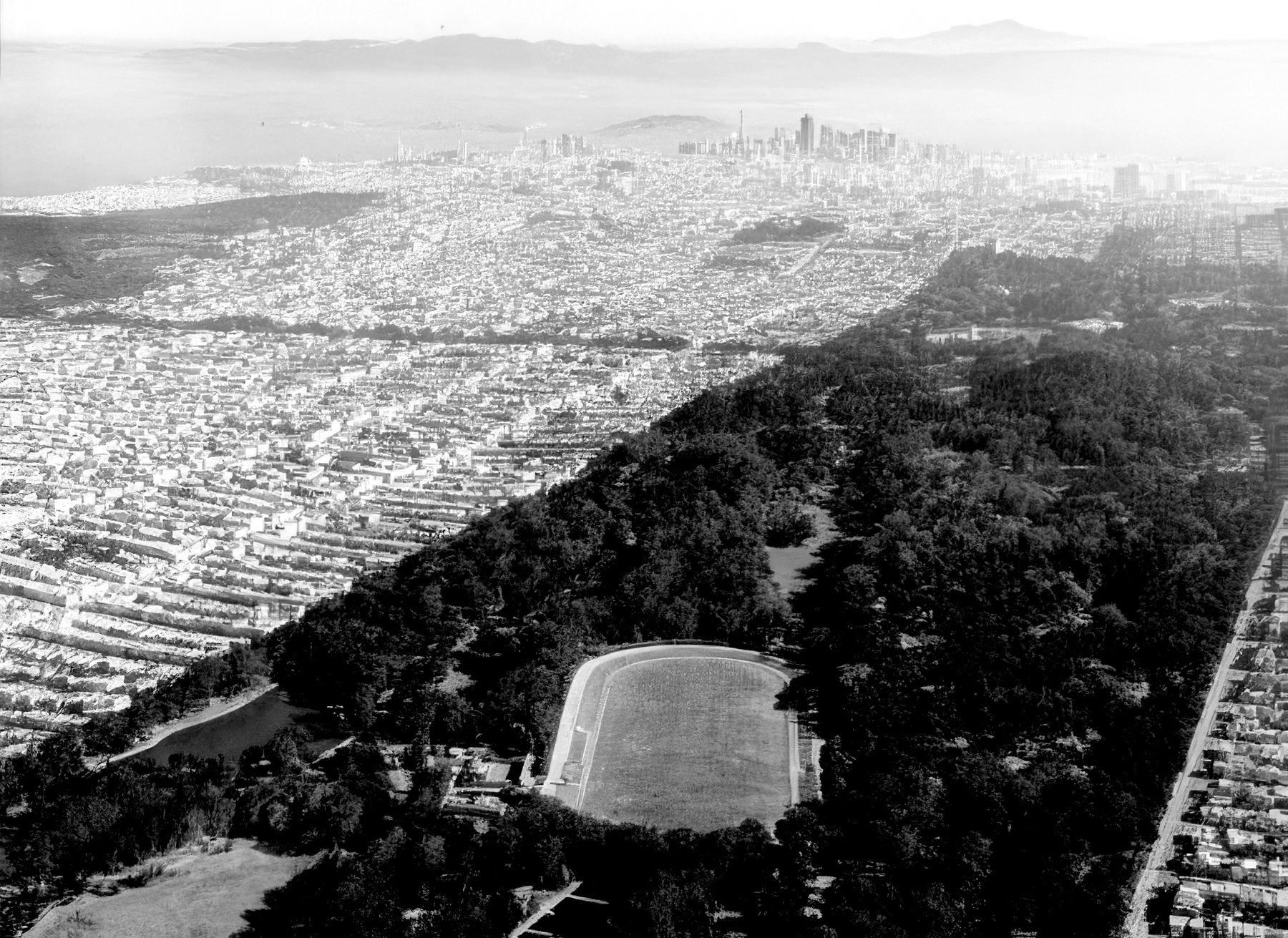
Golden Gate Park has a quality to it that I’ve never encountered in any other park, which is that in its scale and footprint, but also in its designedness and un-designedness...it has these blurry, indecipherable, liminal in-between spaces that are quietly of great importance and beauty. One moment you’ll be walking on a perfectly curvaceous Olmsted-ian promenade, but if you stray off an errant desire line for a moment, you somehow teleport into a thicket of invasive species that opens up to a massive and totally empty meadow with a forgotten stadium somehow inside it. It’s a stoner’s daydream, a hallucination from a David Lynch film; it makes no sense, and therein lies the beauty. Humans don’t get lost enough these days, and Golden Gate Park is an absolutely wonderful place to get utterly and beautifully lost, smack dab in the middle of San Francisco.

This 60,000-square-foot complex is home to the factory, gallery and flagship store for the Sausalito company’s ceramics, as well as select goods for the kitchen and table. It also shares space with Tartine Manufactory, an all-day café and outpost of the bakery that put SF on the sweets map; the letterpress and stationery store the Aesthetic Union, which also offers workshops; and the Heath Newsstand, an excellent source for gifts and inspiration.

This is where you’ll find the…

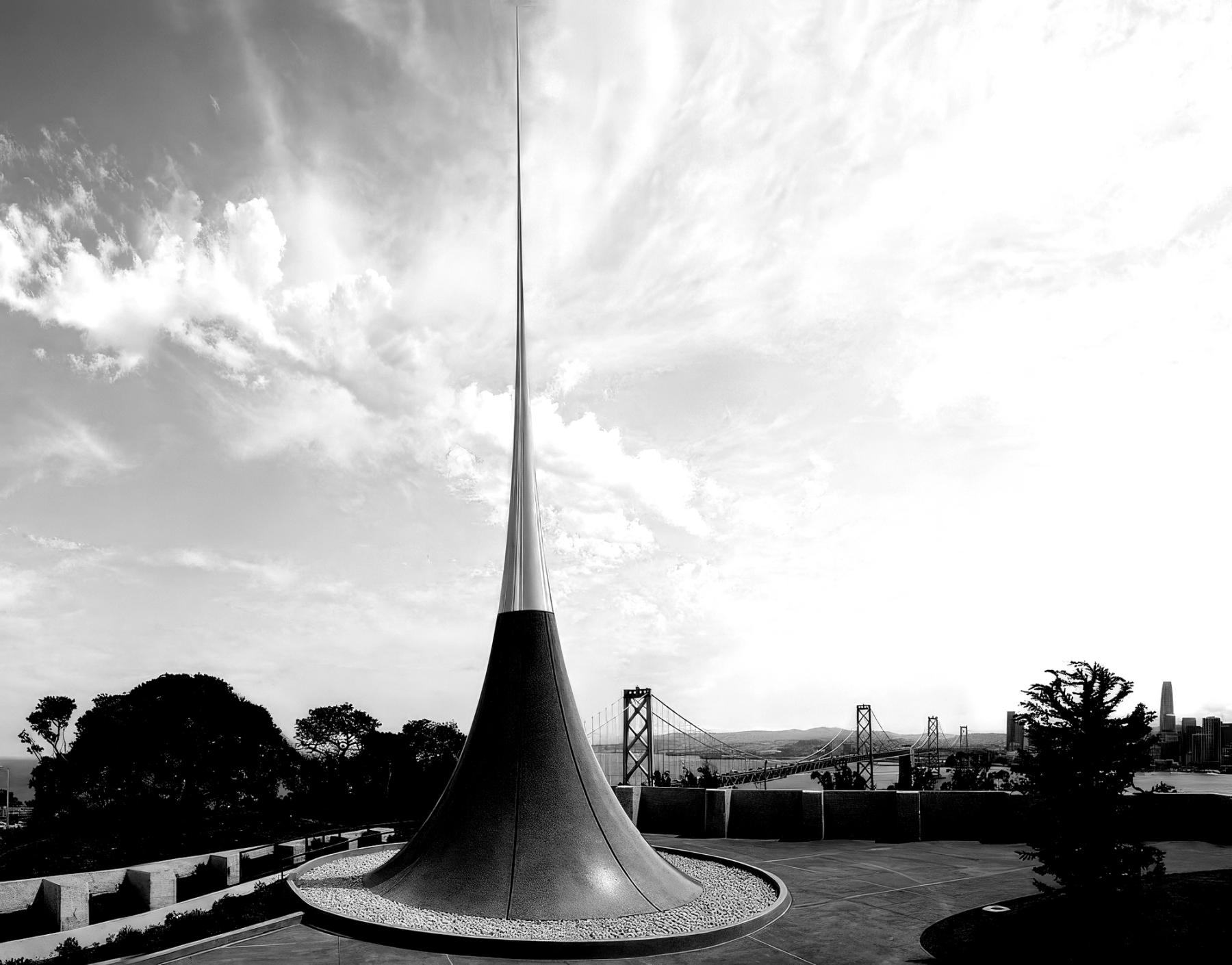
Installation view of sculpture, Hiroshi Sugimoto, Point of Infinity (2023)

In many ways, this work is an anti-monument. Even though it is nearly 70 feet tall and made of concrete and steel, it is meant to disappear. Situated on a former military base, the sculpture posits that perhaps creative force can outlast brute force. Its upward parabolic shape draws an invisible line towards the sky as far as our imagination can take us. There is nothing more powerful than the thought of our infinite and expansive minds. Plus! There are stunning views of the city, and! If you’re ever stuck in traffic on the Bay Bridge, it is a welcome distraction.

Both the seating and the drinks menu at this snug Mission bar are limited, but the good energy overflows into the street. Most nights, the sidewalk swells with a wonderfully mixed crowd that is as open to conversation as it is to the evening’s lo-fi theme, be it a musical performance, writing workshop, art opening or chef pop-up. It’s all heart, no attitude. (If you’re there Thursday to Sunday, hope that Dead End Vintage is open next door.)

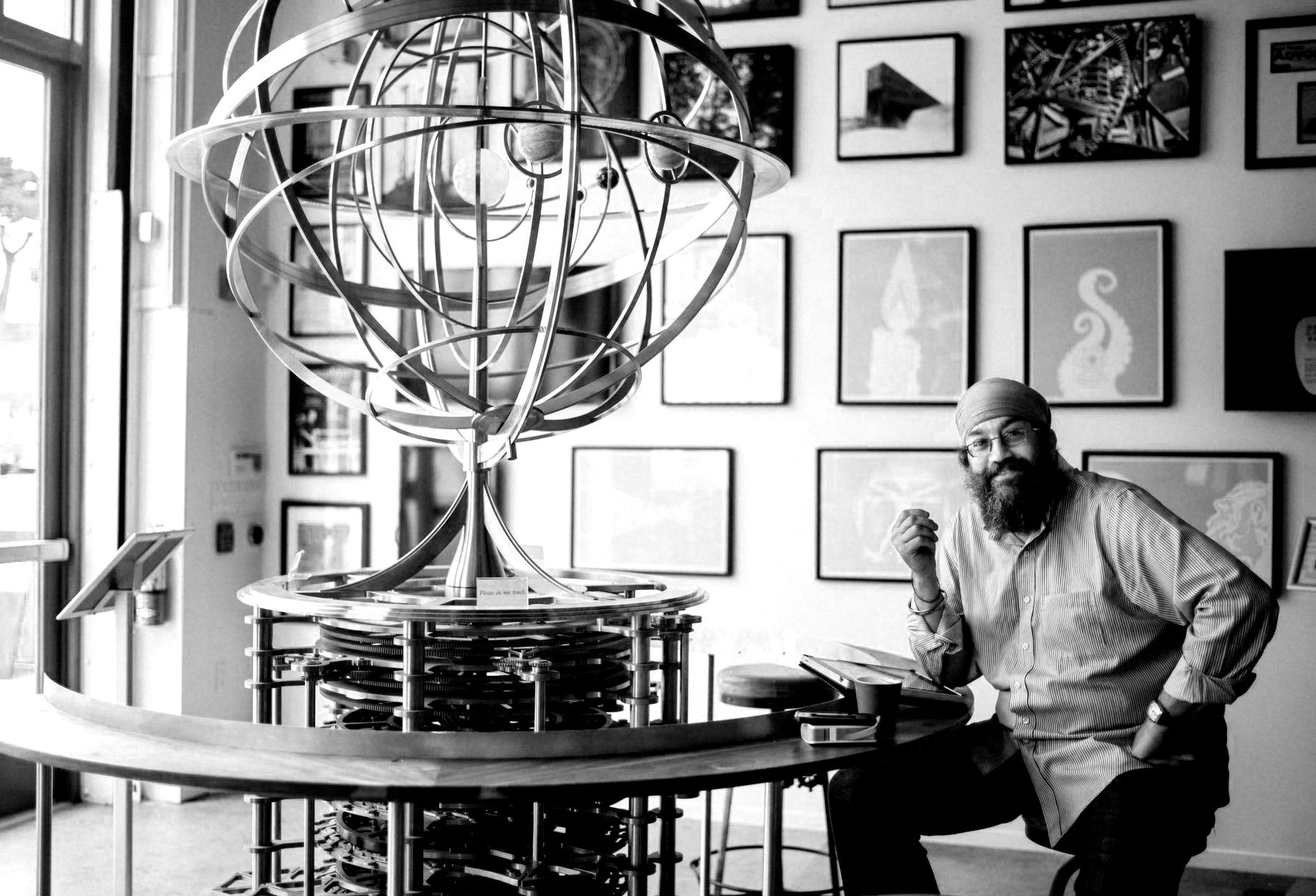
Interior view with man sitting amongst artworks

Part café/bar, part museum to the (very distant) future, this community space in Fort Mason Center—designed to last 10,000 years—is home to the Long Now Foundation, founded by the Whole Earth Catalog’s Stewart Brand with Brian Eno, who created artwork for the room. Be sure to check the calendar for talks.

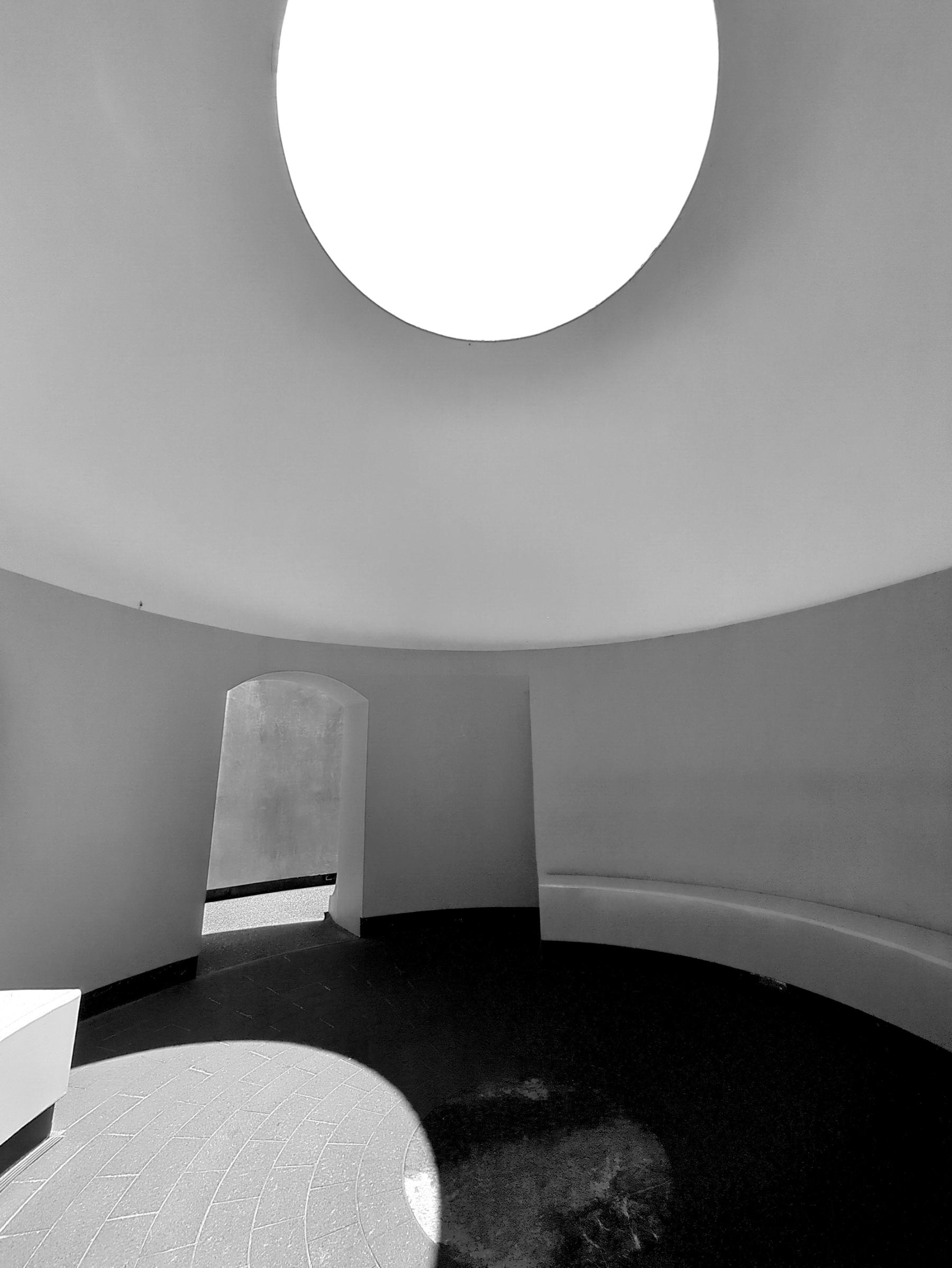
Interior view, James Turrell: Three Gems

“I want to bring the space of the sky down to the top of the space you’re in, so that you really feel at the bottom of the ocean of air,” the artist said of his celestial viewing room, a subterranean oculus lined with quietly shifting LED lighting that he constructed at the de Young museum in 2005. Ideally viewed at dusk.

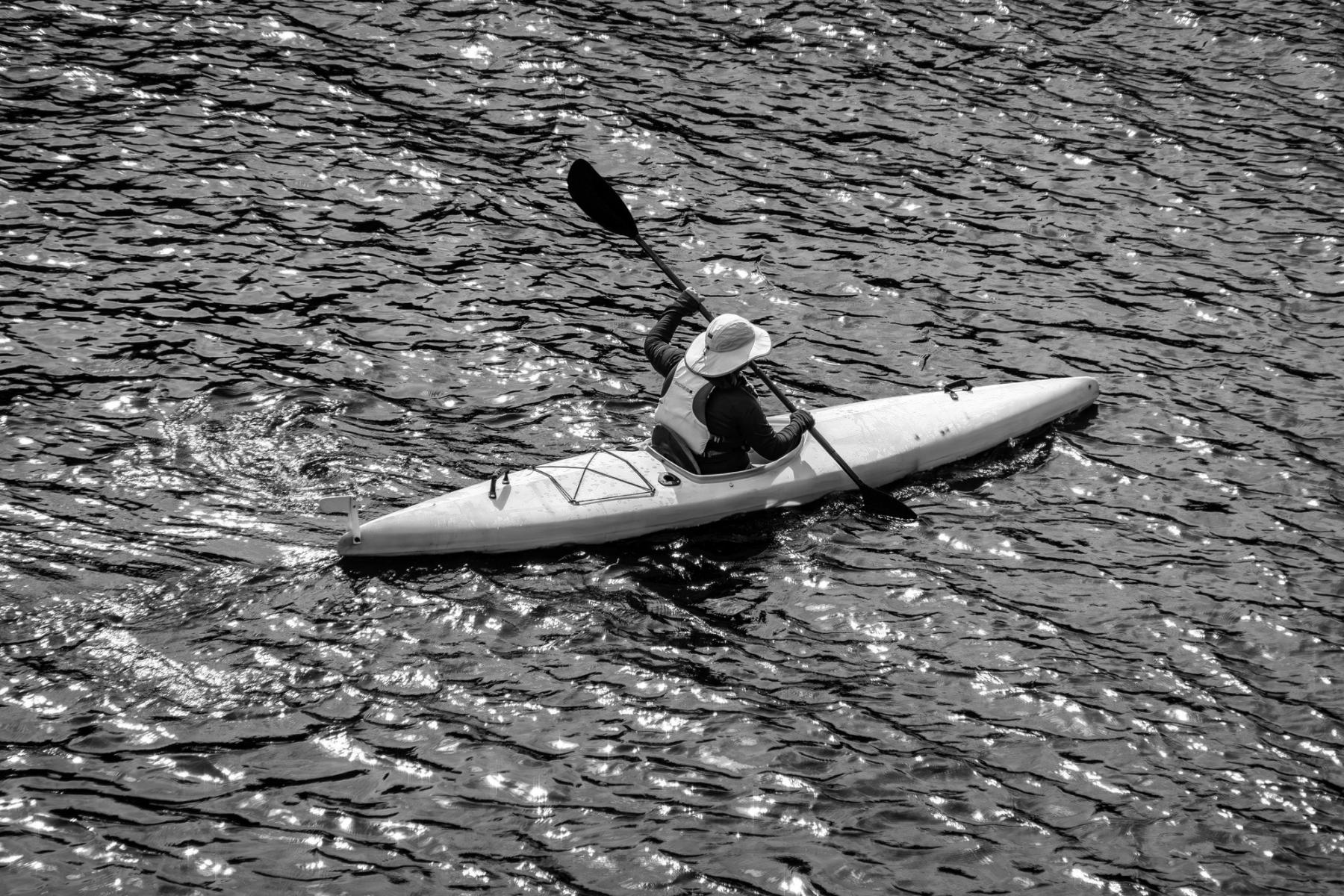
For the best architectural tour of the city, head to the East Side waterfront, rent a paddleboard or kayak at Dogpatch Paddle (aka the best snack shack and shvitz lodge on the East Side), and launch from Crane Cove. If you are new or visiting, point the nose of your board towards the Bay Bridge, passing the Bayfront Park designed by Surface, Chase Center, the new MVRDV and Jeanne Gang–designed towers—as well as the large seals and occasional whale hiding on the anchors of the giant Cape Horn merchant ship. If you live in San Francisco, train your board towards Historic Smokestacks to your right, carefully navigating under piers and the ‘boneyard’ of ruins in the shallows, to view the construction of the new Herzog & de Meuron buildings at Potrero Power Station.

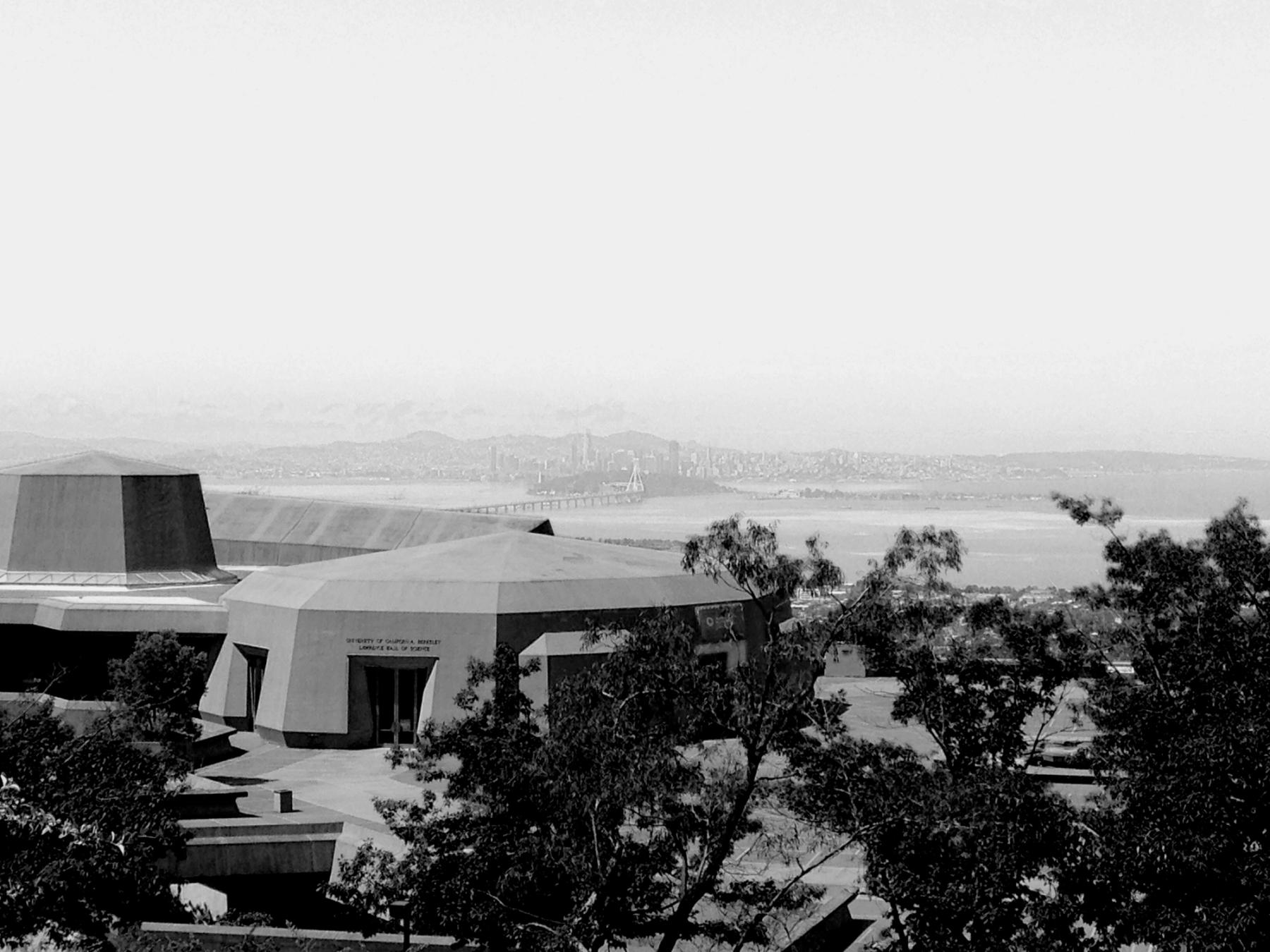
Every time we host an artist at Berkeley Art Museum and Pacific Film Archive, I start by taking them on a short drive to see the view from the Lawrence Hall of Science. Perched high in the Berkeley Hills, it is one of the most breathtaking, unobstructed panoramas of the San Francisco Bay, stretching from the Marin Headlands and the Golden Gate Bridge through to the Farallon Islands and down to the Bay Bridge and the skylines of San Francisco and Oakland. From here, you can get a sense of the awe-inspiring geography that makes this place truly special.

It’s hard not to over-emphasize how special San Francisco is because of its geographic site and proximity to real nature. When you don’t have much time, a walk, bike ride or short drive across the Golden Gate Bridge can bring you into a completely opposite experience from city life: nature, uninterrupted. The Marin Headlands are a place of calm that is always accessible when you need a break from human civilization.

Mijoté is a delicious French restaurant in the Mission that my buddies at Psychic Wines recommended to me a few years ago. It’s cozy, mellow and perfect without being particularly precious; every bite and every sip of wine makes its way into my dreams.

This Hayes Valley boutique has been introducing high-concept independent designers to SF since 1980. Today, the sibling owners are embedded in SF culture. A visit here is always an opportunity to make fascinating connections, whether meeting fellow shoppers or discovering work from local labels and artists arranged throughout the space, especially paintings from the Creative Growth organization.

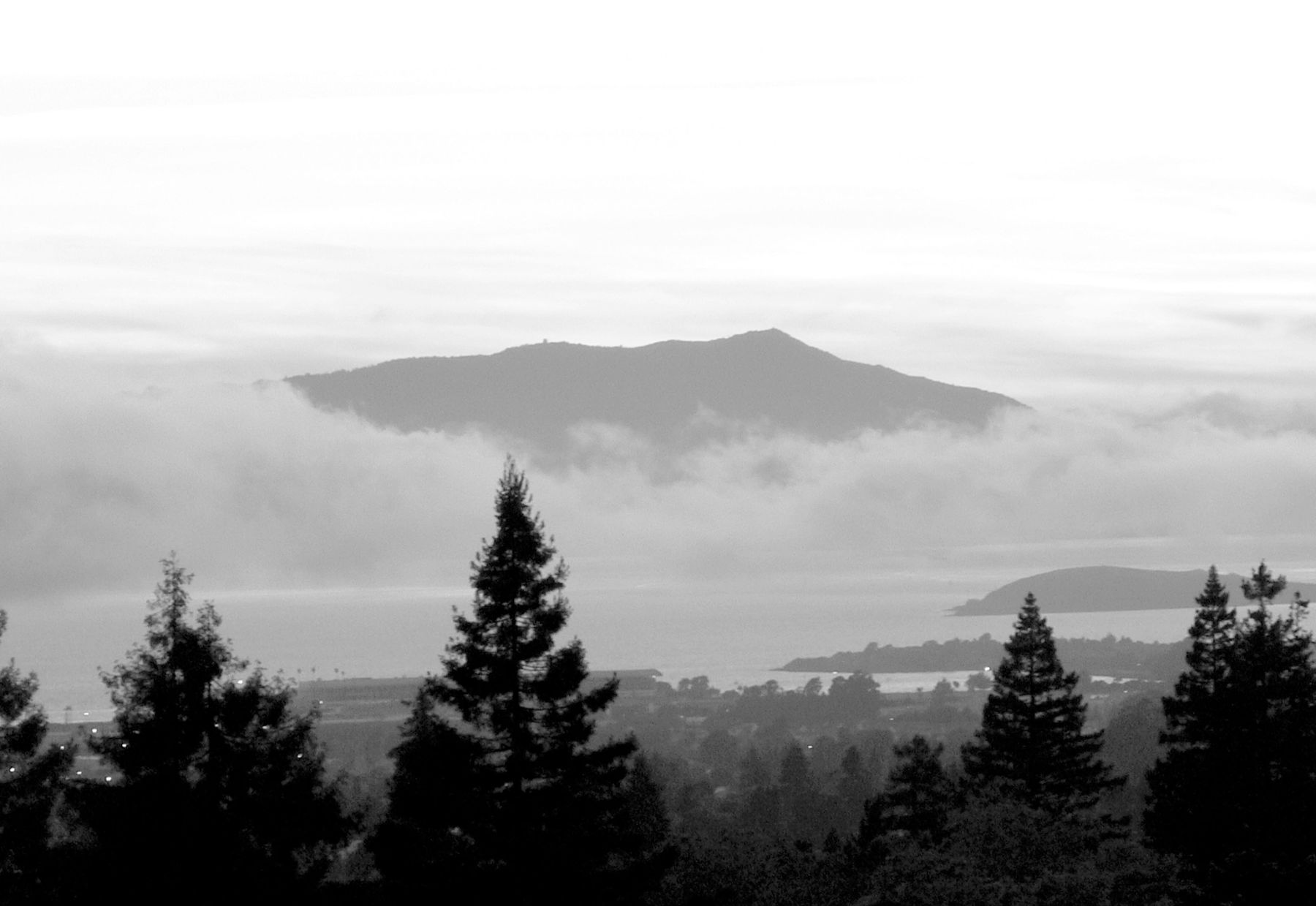
Whenever in San Francisco, I love to see Mount Tamalpais from afar and up close. It was introduced to me by my friend Etel Adnan, who always told me that Mount Tamalpais is her best friend. When Adnan moved to Sausalito in the 1970s, she discovered the landscape of Mount Tamalpais – an encounter which remains the most important of her life. As she described it:

“Mount Tamalpais became my house. For Cézanne, Sainte-Victoire was no longer a mountain. It was an absolute. It was painting.” Her strong connection to the mountain led her to paint it innumerable times. Years of contemplation, both visually and intellectually, led to her 1986 book Journey to Mount Tamalpais, in which she explores the inherent relationship between nature and art, her perception of nature as art, her “vision of the world.”
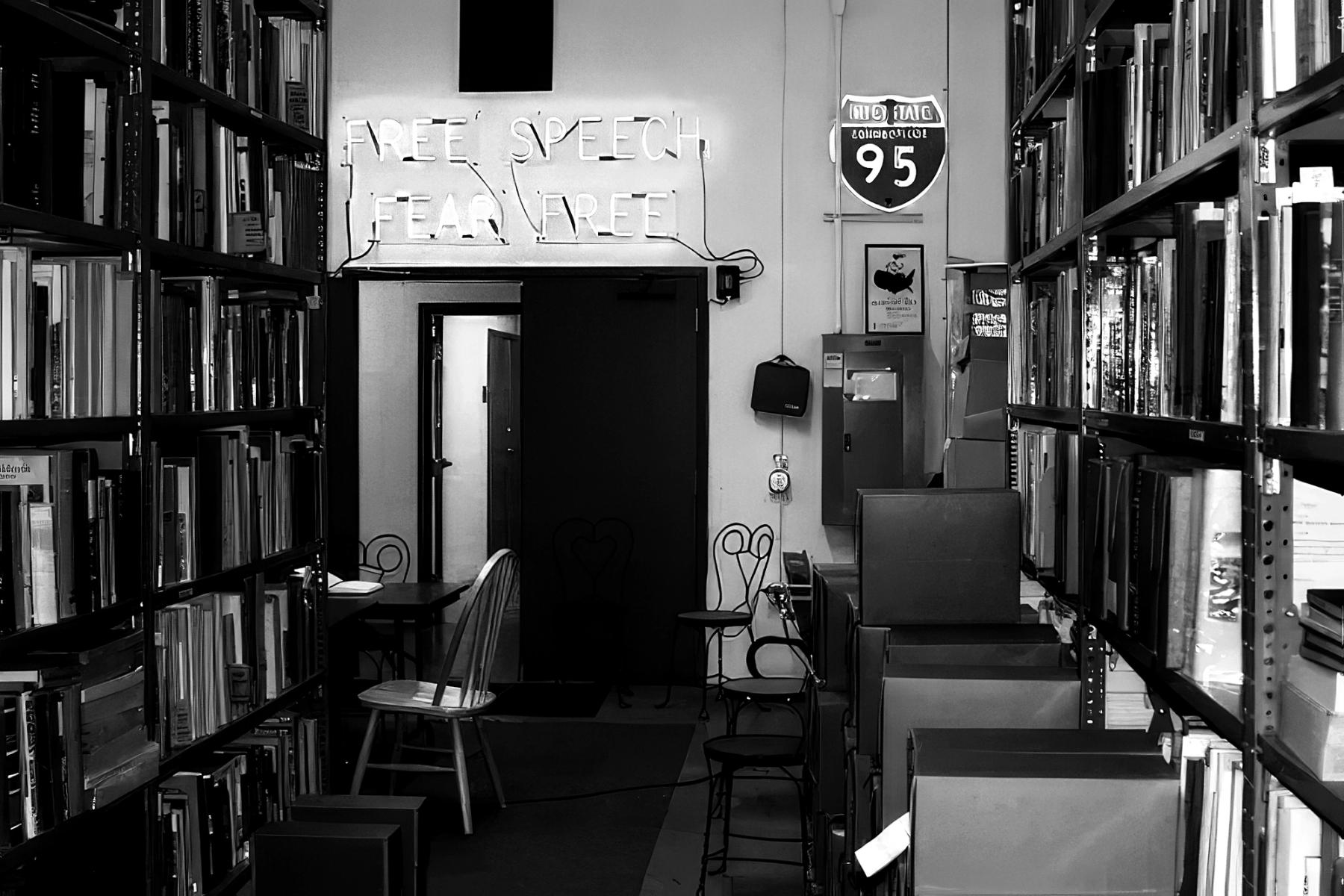
For an experience that is both hyperlocal and tests the boundaries of the universe, I recommend a visit to the Prelinger Library in SoMa. It’s unlike any library in the traditional sense: Privately run for the last 20 years, and comprising printed material of the ephemeral sort (ads, brochures, pamphlets, personal book collections) that is organized loosely by spatial dimensions, it resists classification and invites discovery. It’s rare to experience this kind of wonder and randomness anymore, and to wit, the library’s slogan is “Free speech, fear free.”

Former Chez Panisse chef Sylvan Brackett hand-built his Mission izakaya with his woodworker father, adding layers to the authentic NorCal Japanese feel. Seasonal produce, local fish, pasture-raised meats and housemade tofu are served raw, fried, grilled over charcoal or layered over udon or rice.

Since the early 1900s, this landmark cinema has been a gathering place for lovers of independent cinema. Today, in addition to its self-described “fierce programming,” the nonprofit invites filmmakers and artists to engage with the audience through workshops and collaborative projects.

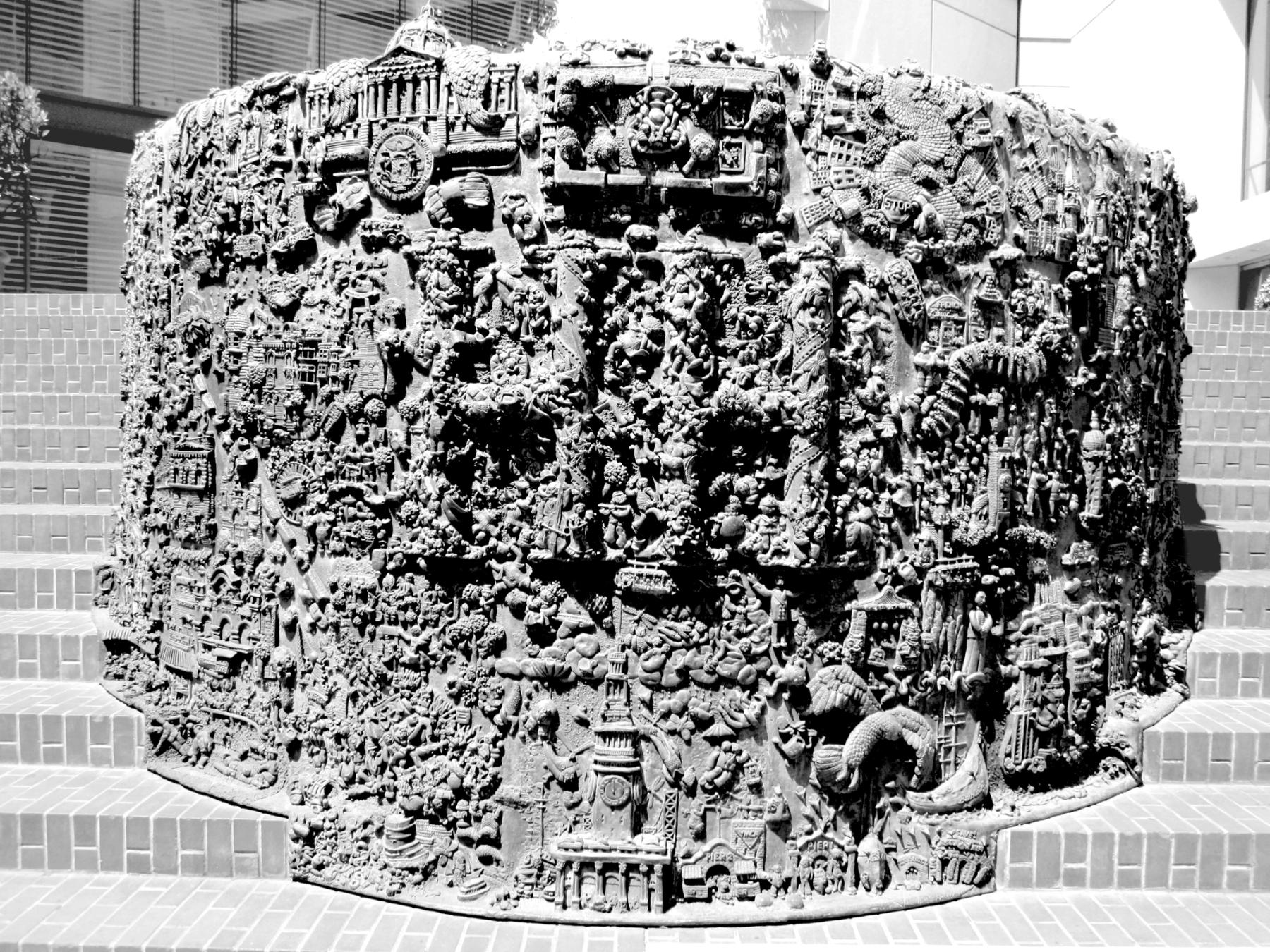
The prolific artist and educator created many works for her beloved city. Standouts include Cast Bronze Fountain, 1970-73 (345 Stockton Street), the cast bronze Andrea Fountain, 1966-68 (900 North Point Street), and the glass fiber–reinforced concrete bas-relief SF Yesterday and Today, 1983-84, located at the Parc 55 hotel’s valet entrance (55 Cyril Magnin Street).

One of the first of the city’s third-wave coffee bars, this Russian Hill staple has maintained its status. The espresso tonics will get the heart racing for hill walks.

I don’t have just one favorite place in the city, but I recently uncovered a great thing: a very idiosyncratic magic act on O’Farrell, underneath a North African restaurant on, where else, O’Farrell—a street named after an Irish surveyor. Jay Alexander, half magician and half mentalist, puts on intimate shows under the Marrakech Moroccan Restaurant, and there’s no way not to have fun. Descend into a mysterious lair, have a cocktail and some food, then get ushered into the jewel-box theater, where pretty much everyone gets to be part of the act. Robin Williams helped Alexander buy the theater, so you know the whole operation is quality.

There is a mouthwatering abundance of Thai, Vietnamese, Korean, Japanese, Cantonese and Sichuan spots dotting SF’s West Side Sunset neighborhood. But when looking for the perfect dining Venn diagram of delicious, celebratory and place of local pride, I hit up the iconic Vietnamese spot Thanh Long. No-frills but festive, this is where real ones go to dig into the best crab dish in town. Order An’s Famous Garlic Noodles™ and top them with buttery morsels of their Whole-Roasted Dungeness Crab™ plucked from the shell. Bonus: You can take an after-dinner stroll along Ocean Beach just a few blocks away.

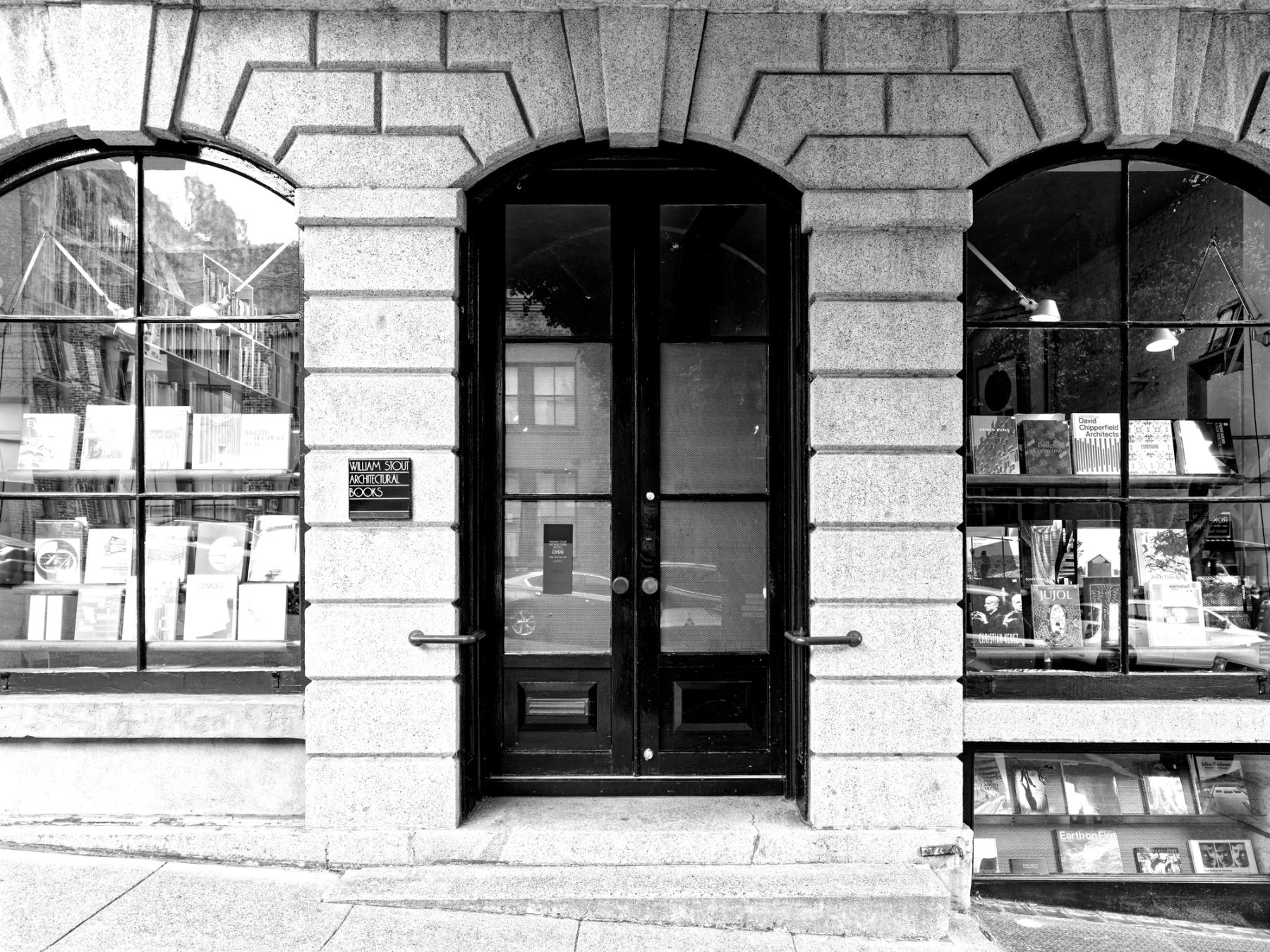
Behind the Gold Rush–era granite facade of a bank building, once overseen by William Tecumseh Sherman, sits one of the City’s great cultural treasures: William Stout Architectural Books. Less of a retail experience and more like visiting the living room of your most bookish architect friend, the shop began in architect Bill Stout’s Telegraph Hill apartment, where books overflowed from the living room into the kitchen. Hard to leave empty-handed, having made a new friend.

San Francisco has no shortage of authentic Latin and Venezuelan-influenced food. This lunch-only café in the Inner Sunset is the light wood/bowls-and-salads version, made with impeccable local ingredients and the brothiest of beans. Good people-watching guaranteed.